Hen harrier
The Hen harrier, a medium-sized bird of prey belonging to the Accipitridae family, typically resides in Norway during the spring and summer months.
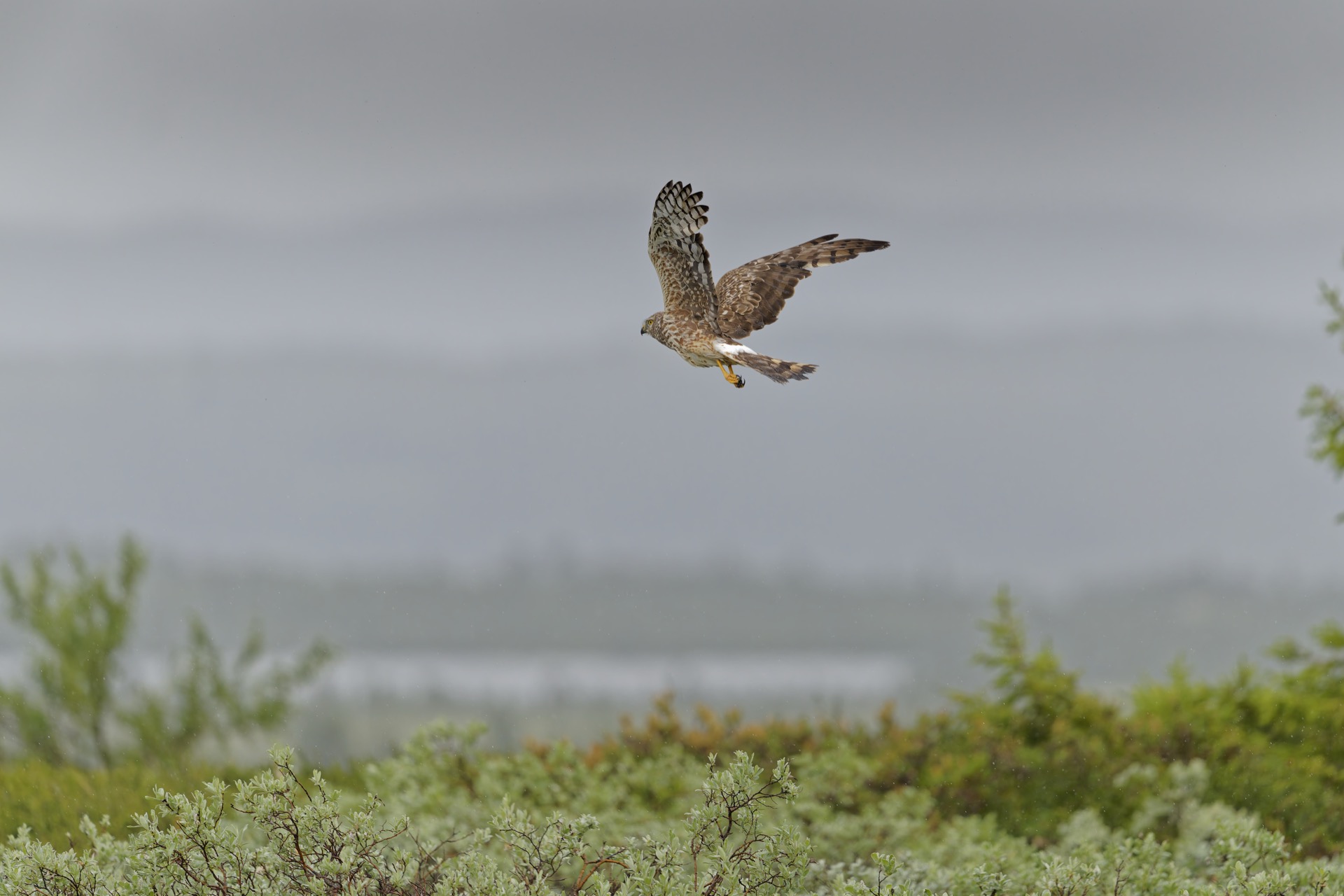
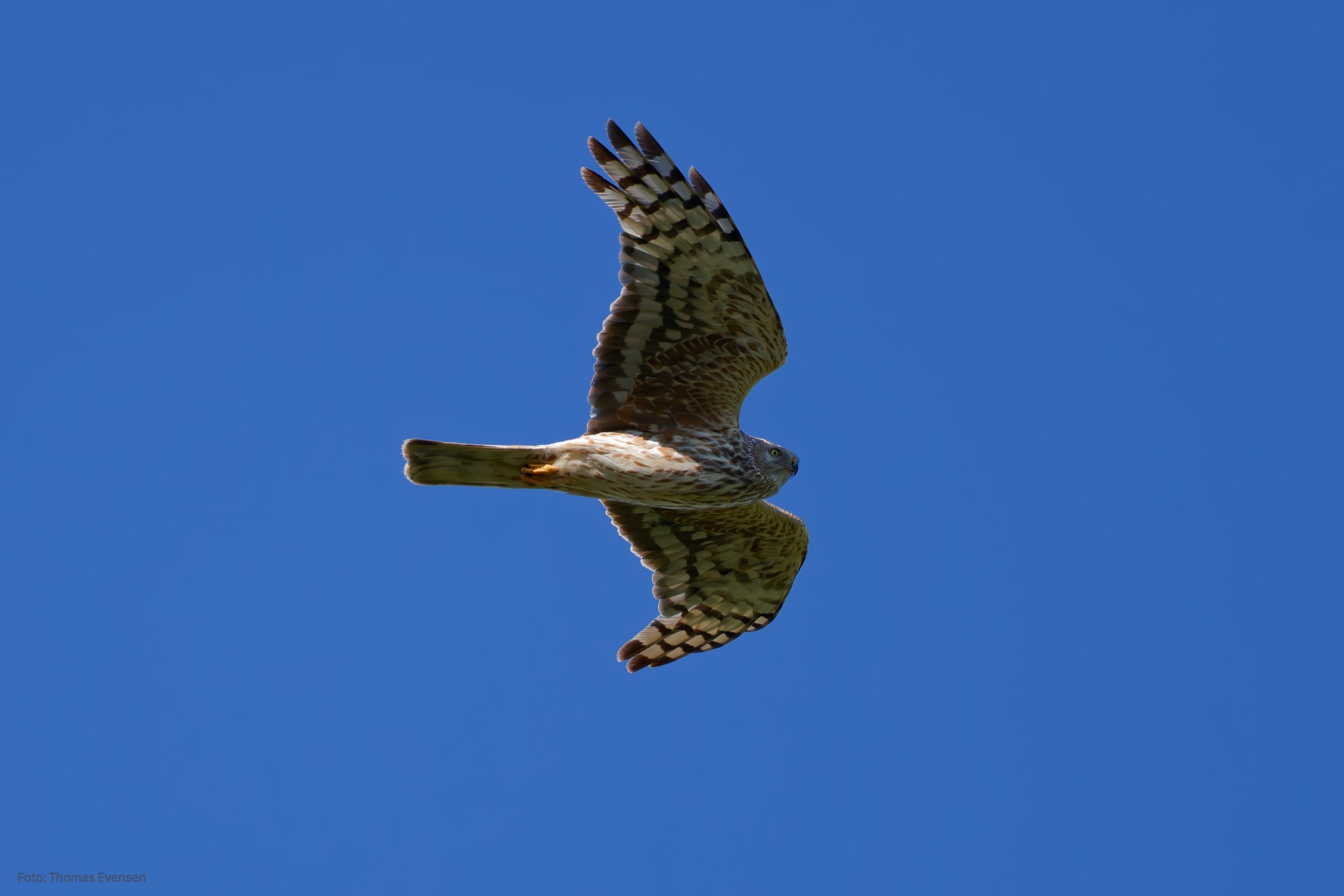
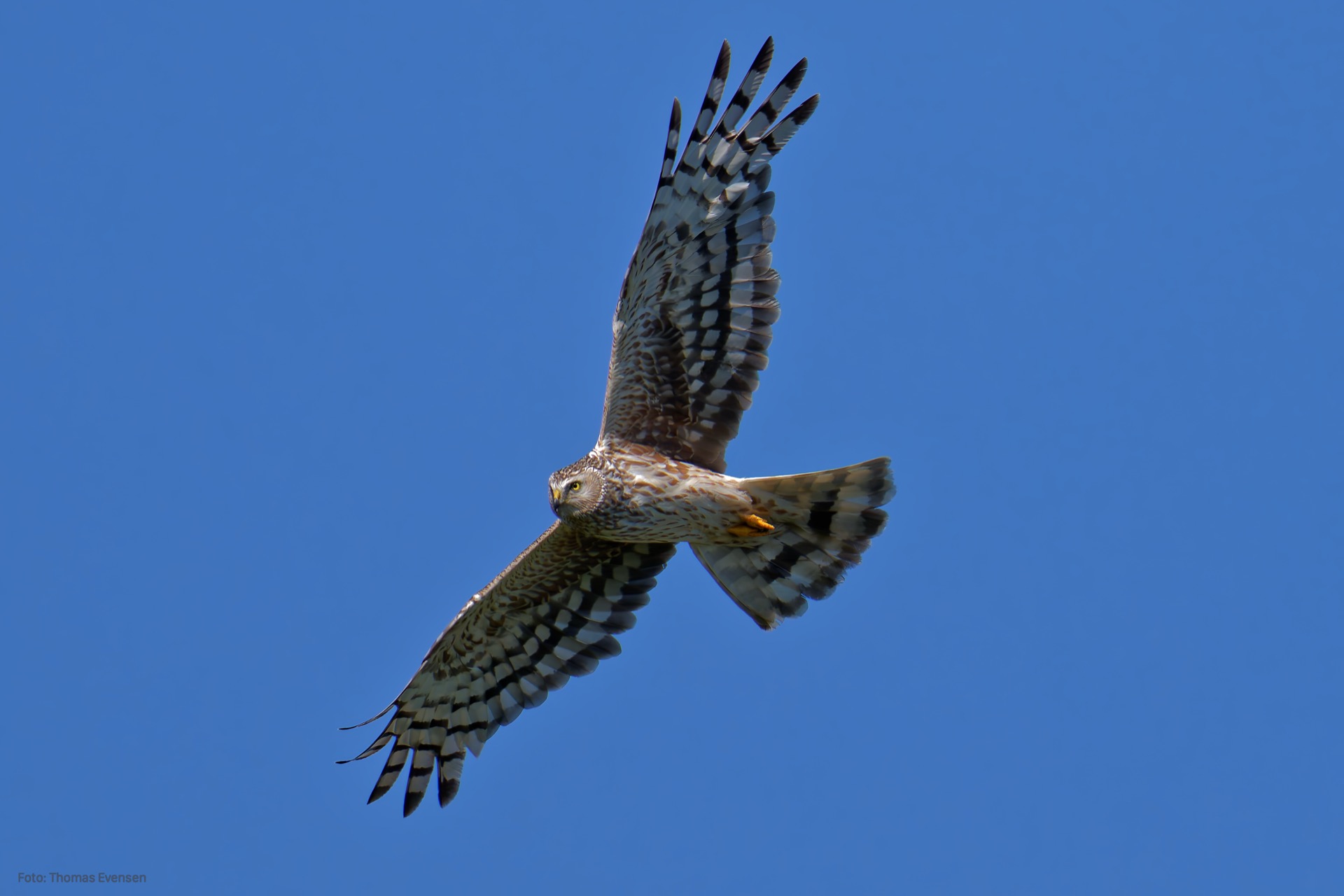
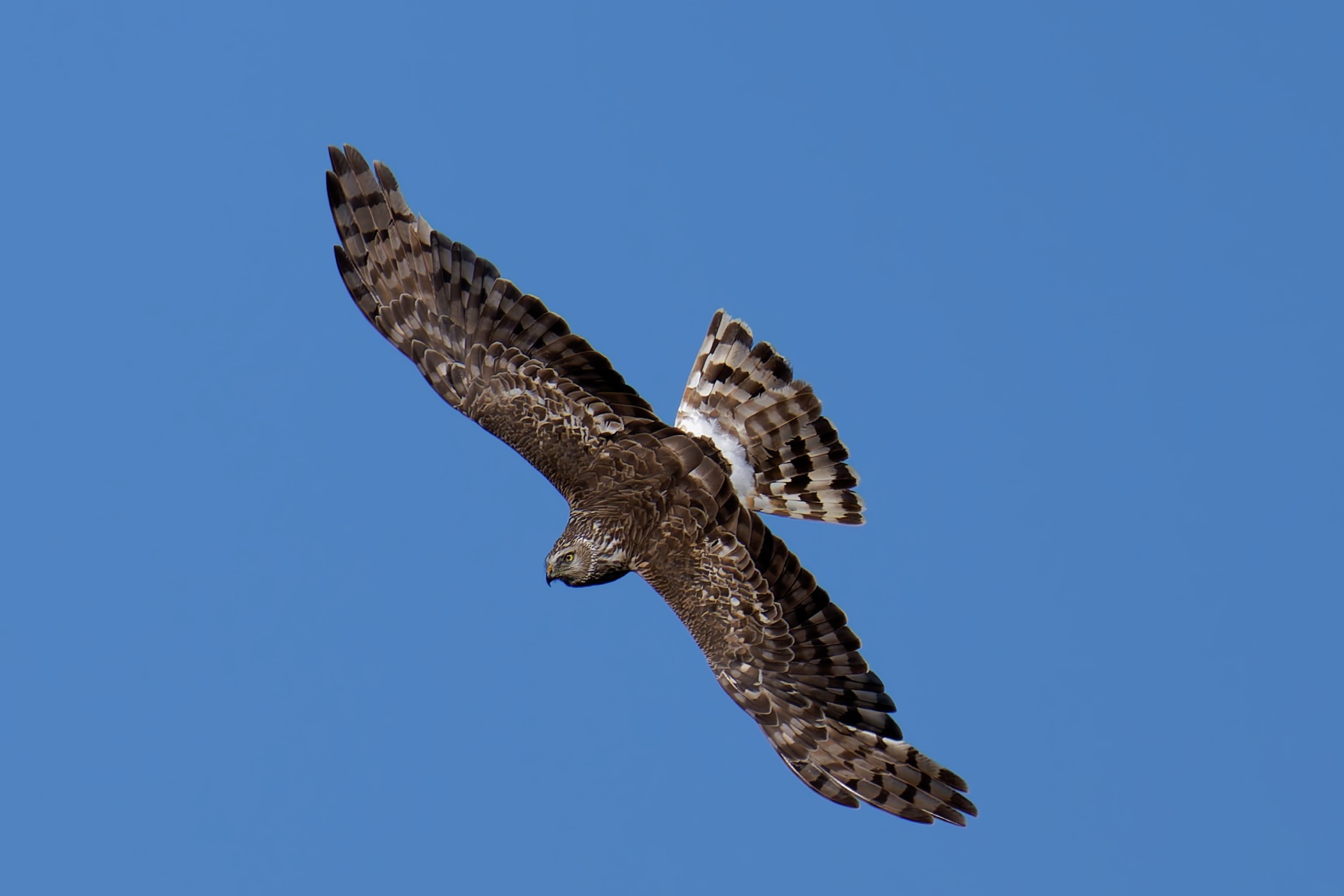
The Hen harrier, a medium-sized bird of prey belonging to the Accipitridae family, typically resides in Norway during the spring and summer months. However, a select few individuals choose to remain in Southern Norway’s Jæren region during the winter when sufficient food resources are available and the climate is not excessively harsh. Hen harriers nest in mountainous areas, and I am fortunate to have the opportunity to observe them in close proximity to my cabin within this region.
| Latin | UK | Norwegian |
|---|---|---|
| Circus cyaneus | Hen harrier | Myrhauk |
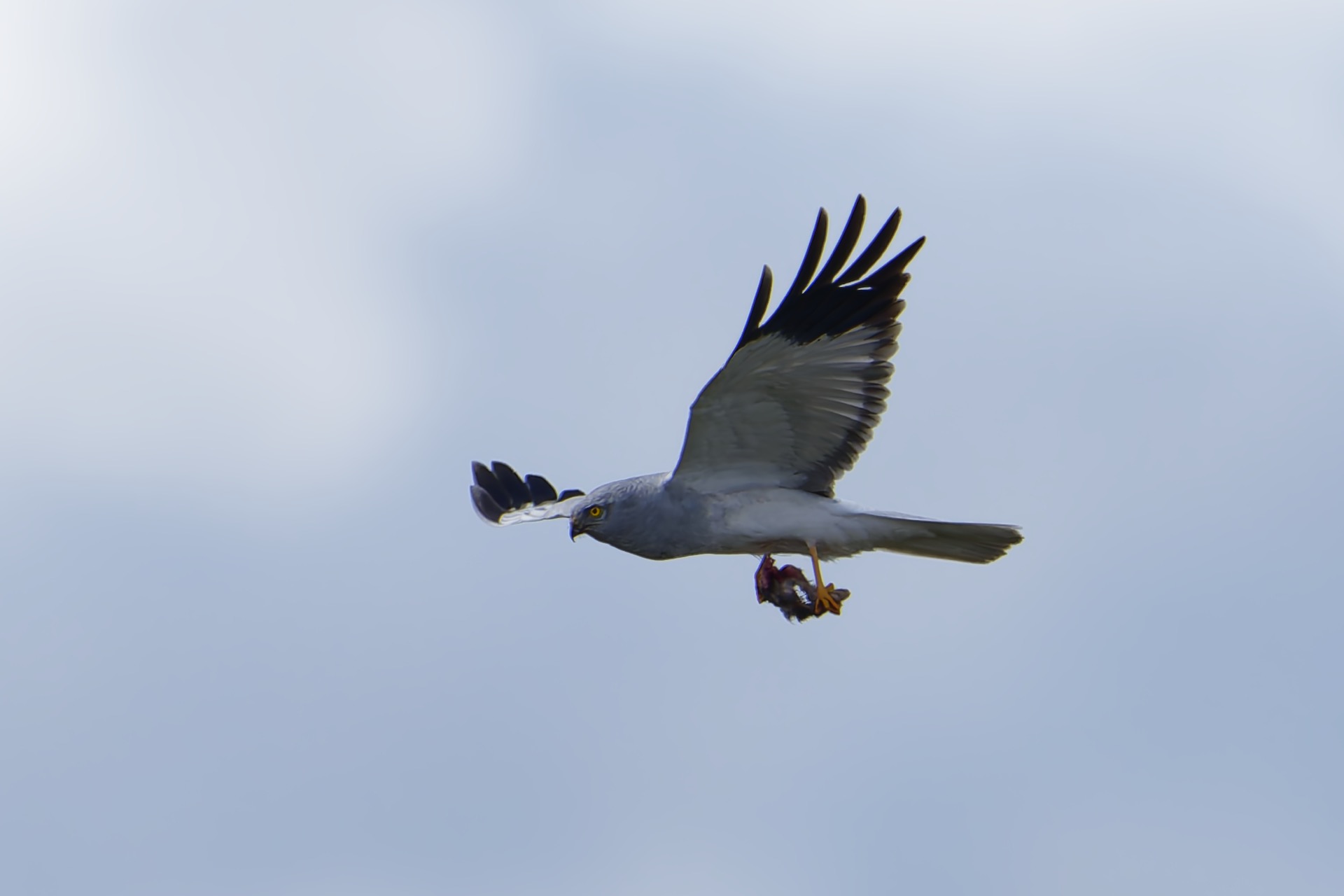
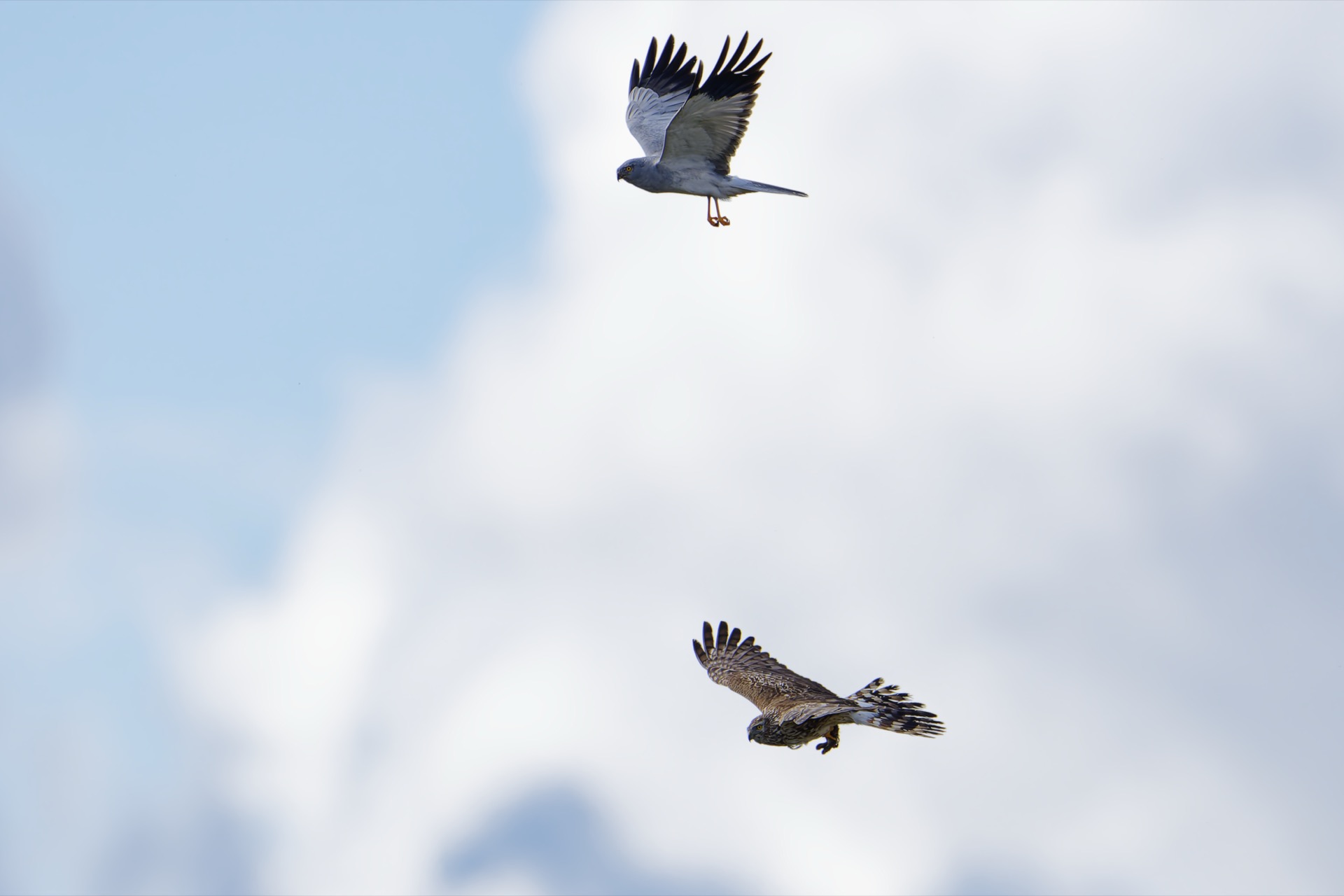
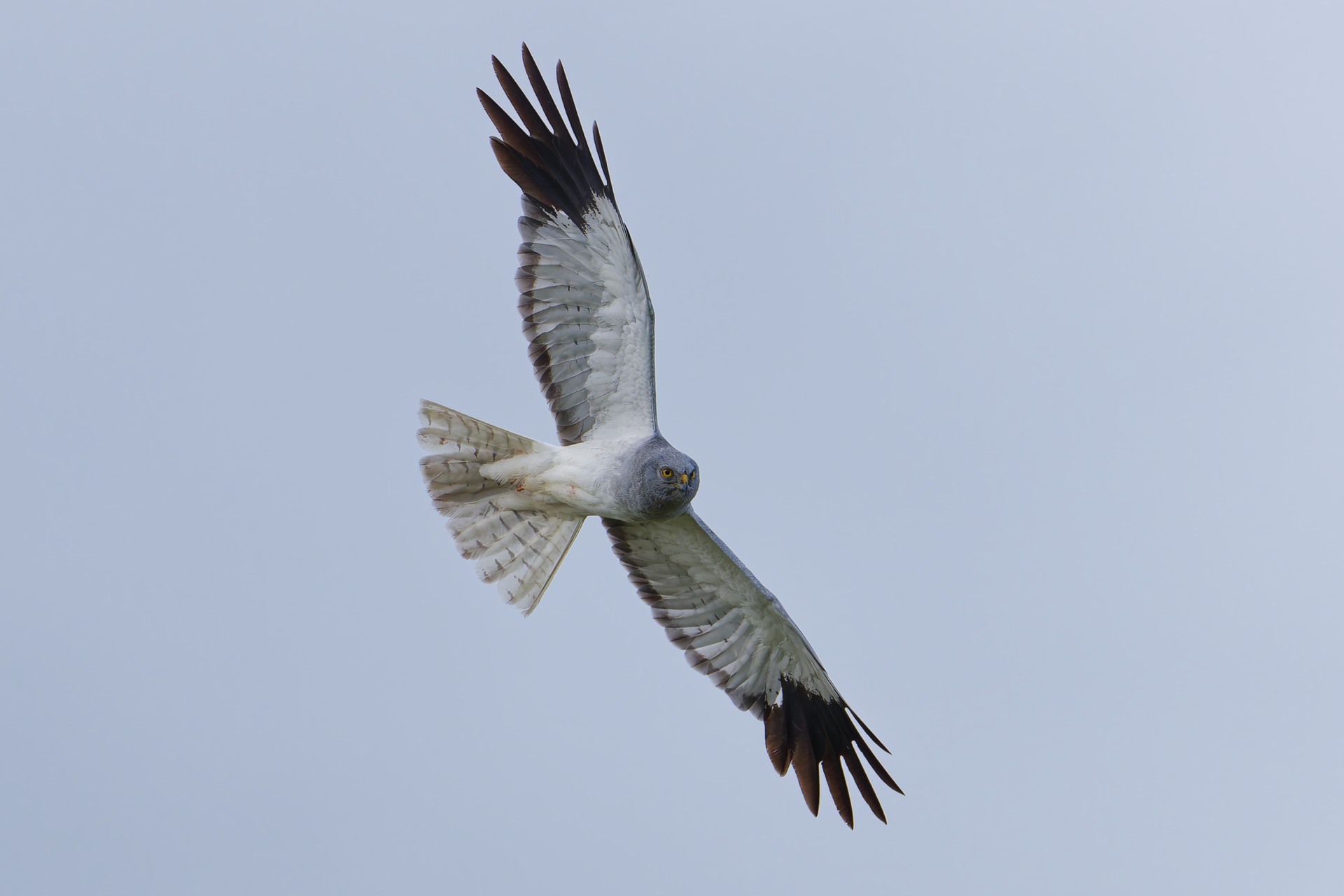
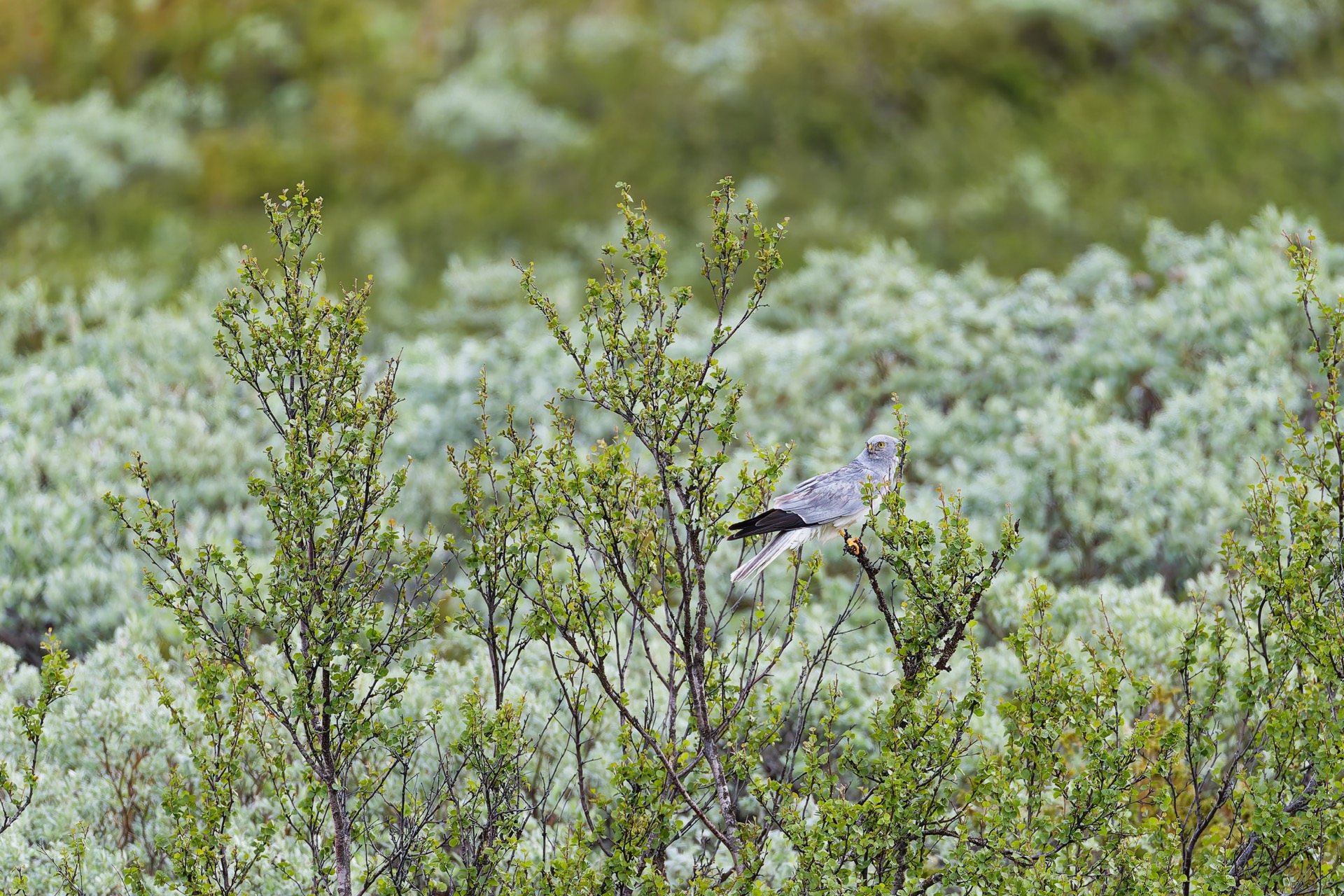
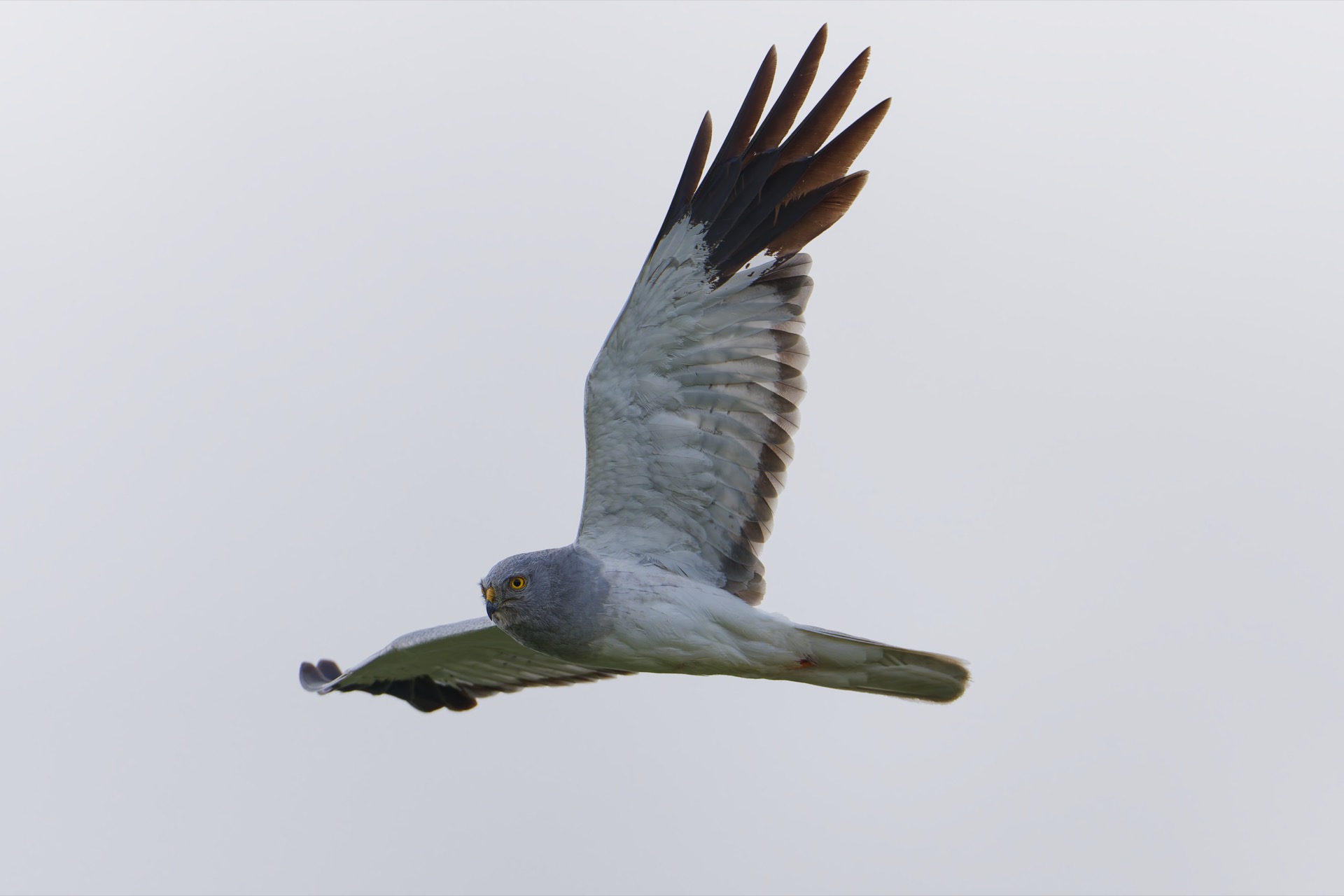
The male Hen harrier is a striking grey and white bird with black wingtips. The female is brown with white upper tail coverts. The female is a little bit bigger than the male, which is normal among the birds of prey.
In Norway, the Hen harrier is classified as critically endangered. Official statistics indicate that there are no more than 50-100 breeding pairs remaining in Norway. The mortality rate for nestlings is exceptionally high, primarily due to predation. I have personally observed that foxes have killed nestlings before they were able to fledge (leave the nest for the first time). Hen harriers construct their nests on the ground within willow thickets, often near marshlands, making them particularly vulnerable to ground predators.
In my opinion, the Hen harrier is one of the most aesthetically pleasing birds of prey in Scandinavia. Although I am not an avian expert, I have spent the past four years observing and studying Hen harriers in the mountains. During the last two years, I have also successfully identified and located their nests through careful observation and patience. Over this period, I have gained a meaningful understanding of the Hen harrier’s behavior and ecology.
Identifying Hen harrier nests can be challenging, so it is essential to allocate ample time to the nesting area. Maintaining a vigilant eye and observing their behavior closely are crucial steps. Additionally, luck plays a significant role in locating nests, as being at the appropriate location and time is essential.
Close to the nest
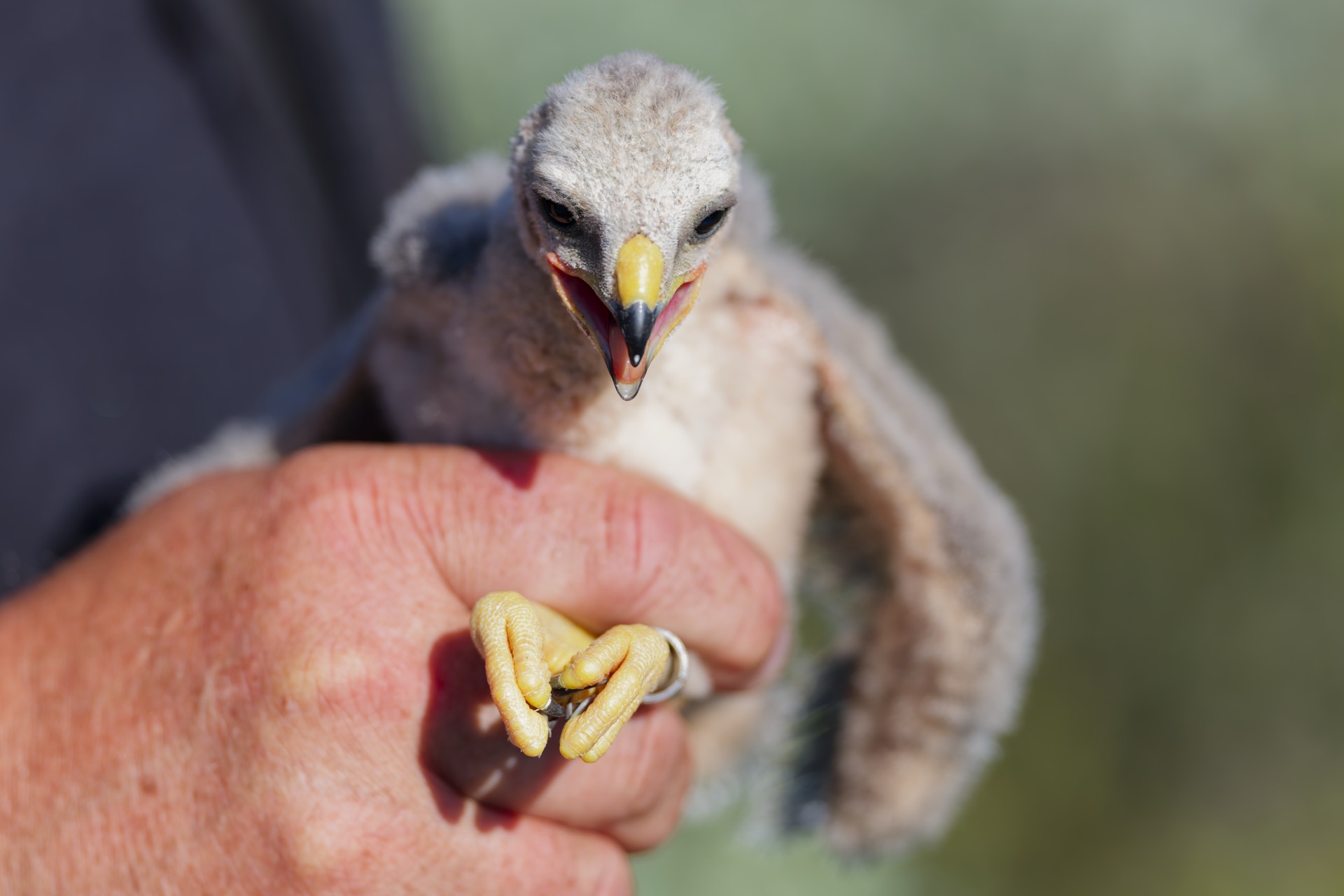
It is of utmost importance to refrain from disturbing the birds, particularly during their nesting season. I visited the hen harrier nest only twice after its discovery. The first visit was for the purpose of banding the nestlings, while the second was to replace the batteries on the trail camera. The photographs of the hen harrier were taken during my observations of the nests, approximately one week prior to the banding procedure.
I remained in the vicinity for a brief period before departing. The weather conditions were favorable, which would have been advantageous if the female had decided to leave the nest.
Feeding
The Hen harrier, a raptor, primarily hunts small mammals and birds. While it is known to prefer hunting small mammals, it adapts its hunting strategies to suit the availability of prey. In the event of a scarcity of small mammals, the Hen harrier may turn to hunting small birds as a substitute.
In 2025, parts of the Norwegian mountains in the south appear to be experiencing a notable decline in the population of small mammals. This scarcity was evident in the observations made by a trail camera, which recorded only the female Hen harrier returning with small birds to feed the nestlings.
2025
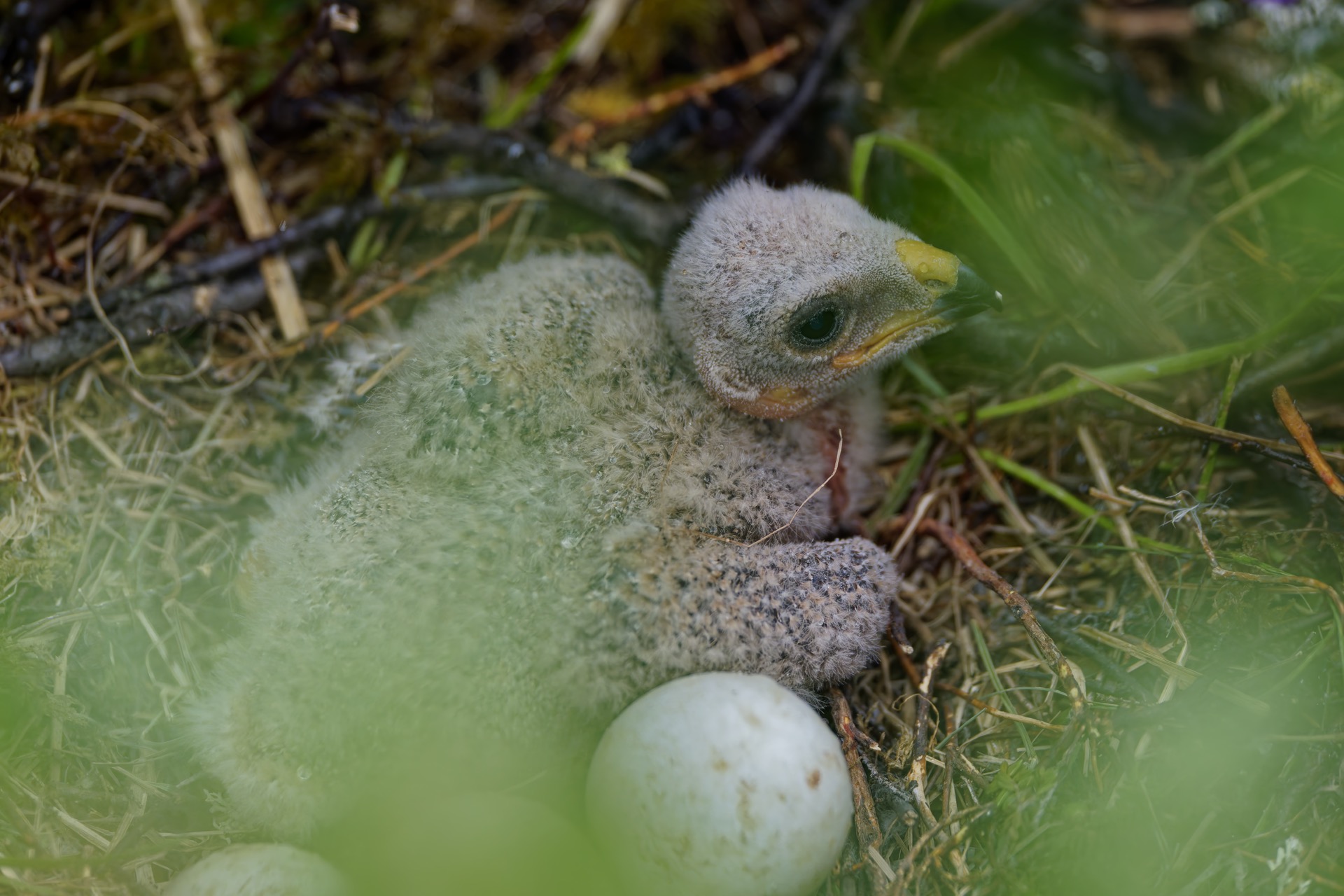
On July 11, 2025, the bander from the previous year and I banded two young Hen harrier nestlings. The eggs in the nest were white and relatively small. After banding, I positioned a trail camera near the nest. The camera was configured to capture photographs and videos exclusively during daylight hours, from approximately sunrise to sunset. The Hen harriers did not exhibit any awareness of the camera’s presence. The camera was programmed to capture a single photograph and a 30-second video recording at 1080p resolution upon detecting movement, then enter a dormant state for two hours before resuming its recording cycle upon detecting further movement.
The trail camera remained at the nest for approximately two weeks until the arrival of a fox, which ultimately resulted in the demise of the nestlings.
The nest
Videos from the trail camera only showed the female on the nest. As I understand it, the male’s primary role during the nesting period is to hunt for prey and deliver it to the female and nestlings. The female remains at the nest to protect and feed the young. As the nestlings grow larger and require more food, the female will also leave the nest to hunt in the vicinity.
Video from the nest
A video captured by a trail camera reveals a disturbing scene. The female bird is feeding the nestlings with small birds. In the final moments of the footage, a fox visits the nest and kills the nestlings, showcasing the brutal nature of the animal kingdom.
2024
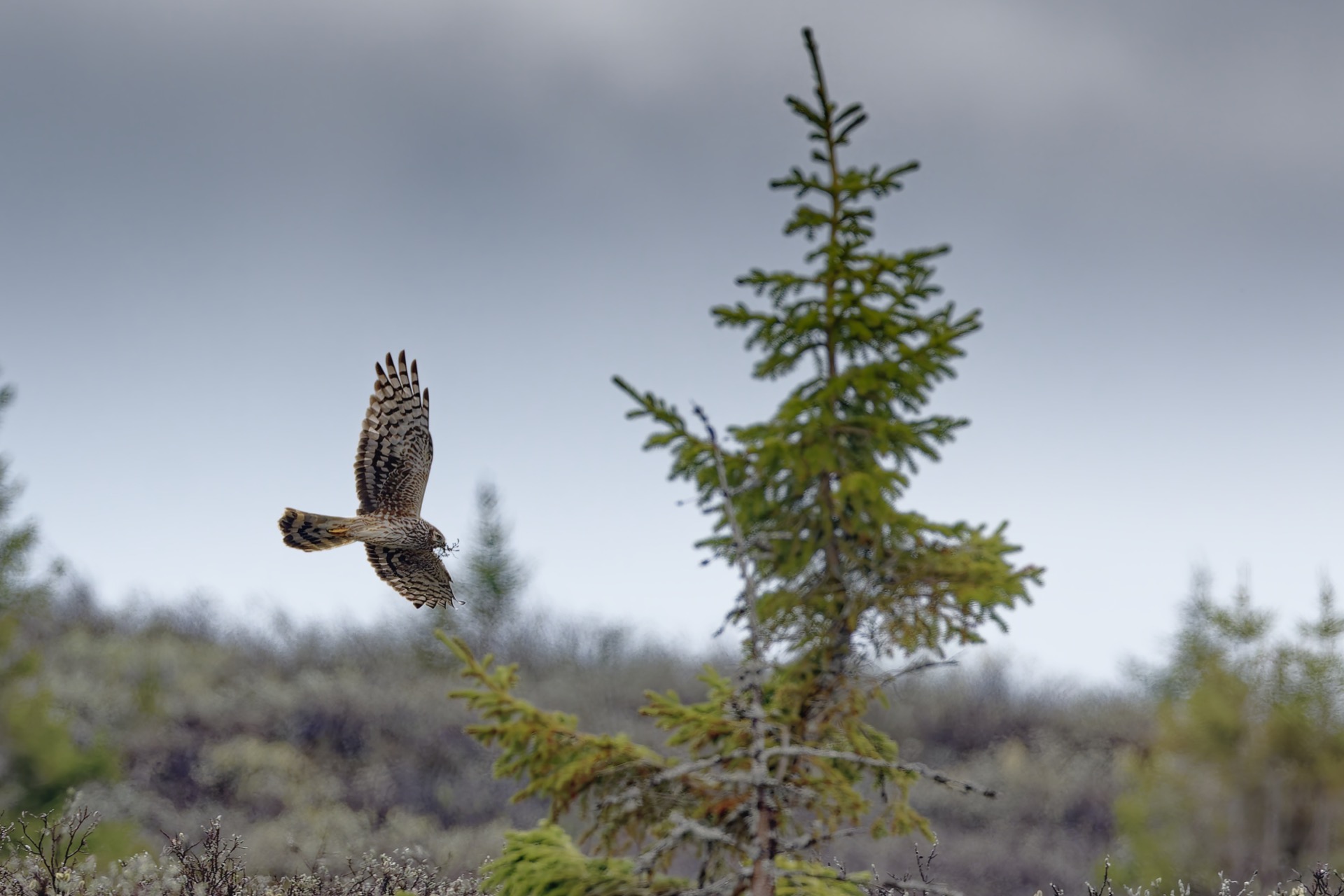
In late May 2024, I observed a female Hen harrier diligently constructing a nest. Approximately mid-June, I observed the male returning with prey, which he subsequently presented to the female.
In July 2024, I joined a licensed bird bander to band the nestlings. During our initial inspection of the nest in the first week of July, we discovered one nestling and three white eggs. Regrettably, the chick was too small to receive a band, necessitating our return the following week. On the second week of July, we attempted to approach the nest for banding once more. However, we were unfortunately met with an attack by a predator, likely a fox. This incident serves as a reminder of the harsh realities of nature.
Additionally, I observed the male Hen harrier returning with small birds that he had captured for sustenance and delivering to the female.
Nesting
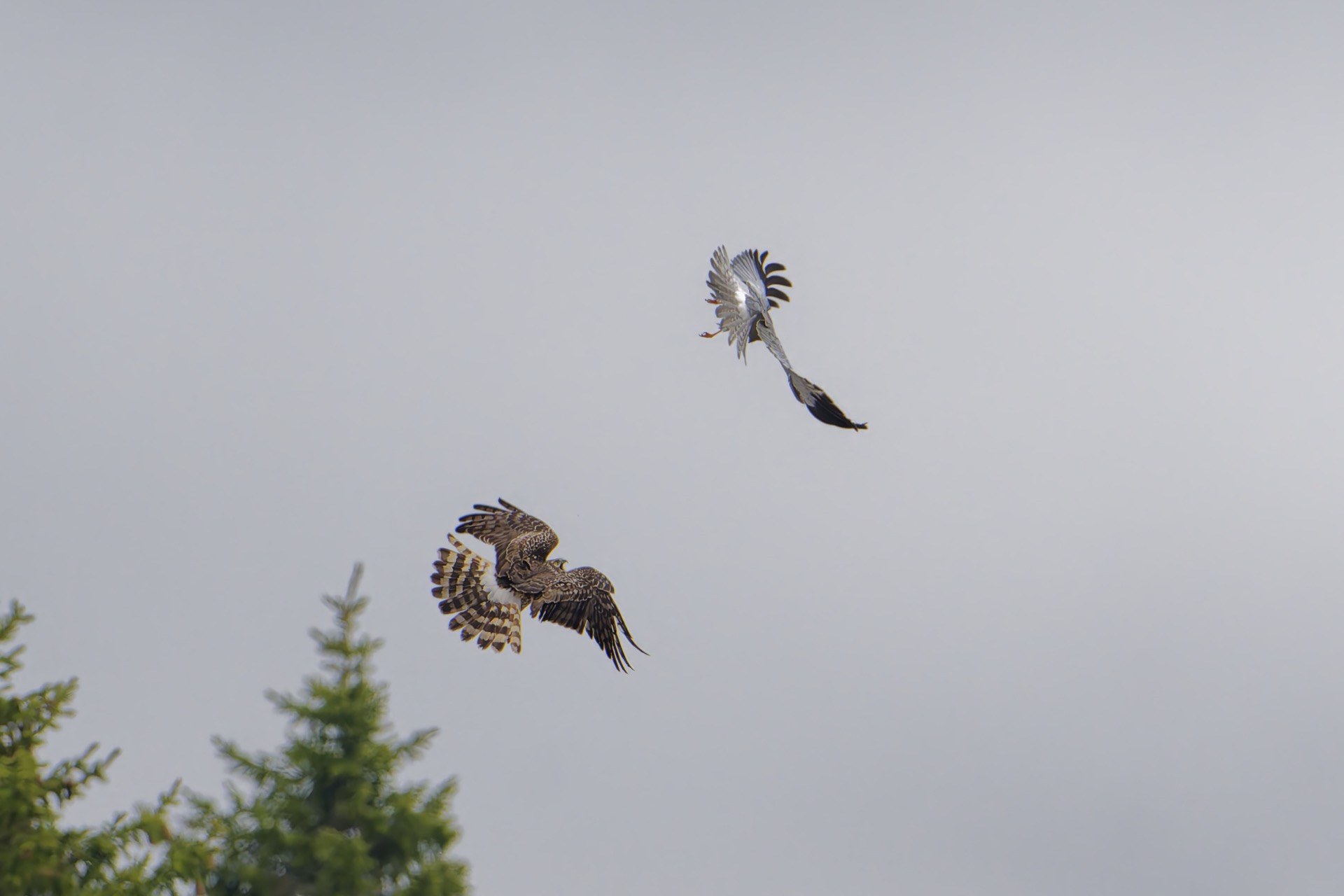
This photograph depicts the couple prior to the commencement of their nesting season. It is presumed that this behavior serves as an integral component of the bonding ritual observed by the Hen harrier.
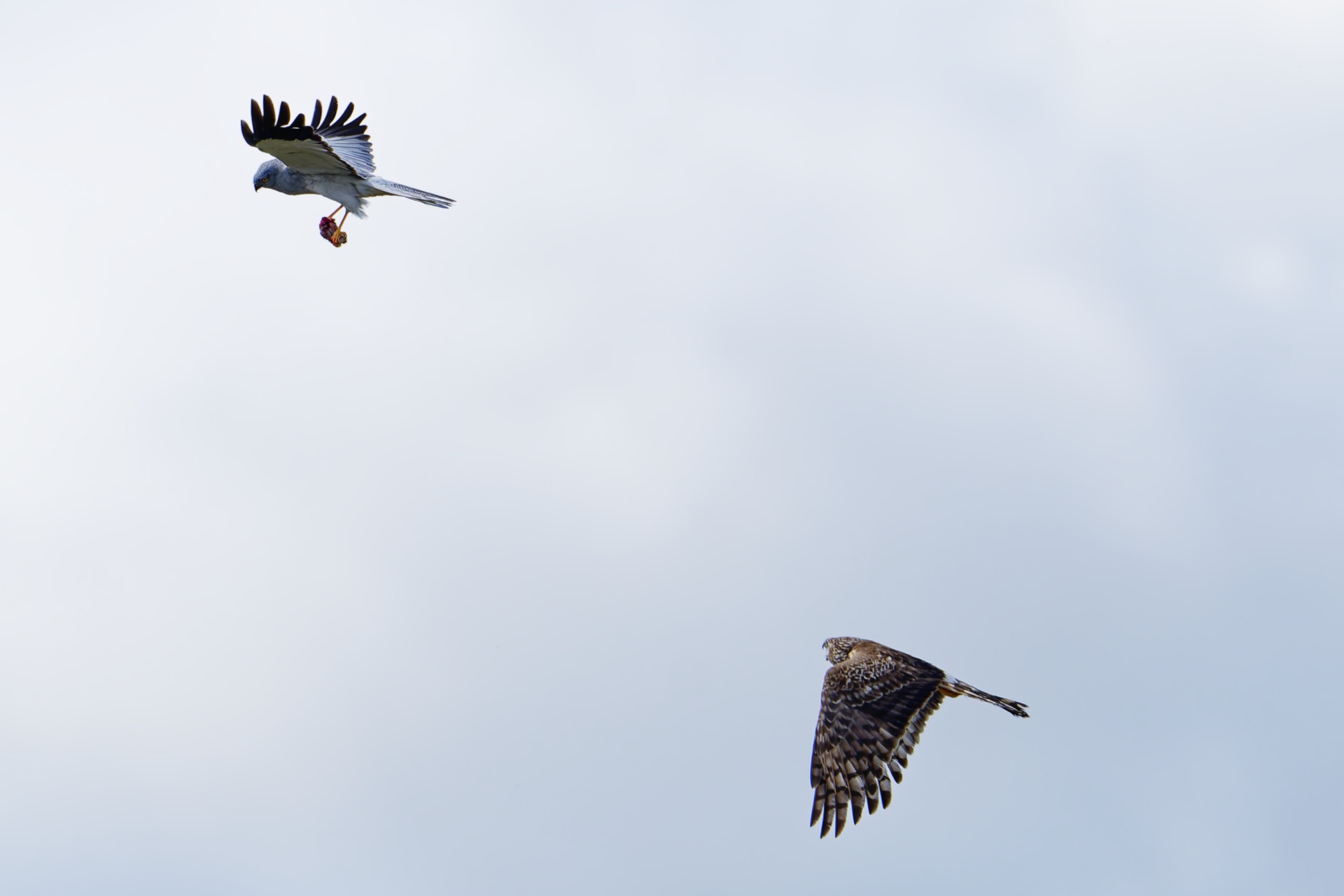
I also observed the male returning with prey. Upon arriving at the nest, he calls for the female, who promptly jumps off to receive the prey. The male then drops the prey into the air, and the female, turning upside down, captures it and returns to the nest.