Northern Hawk-owl
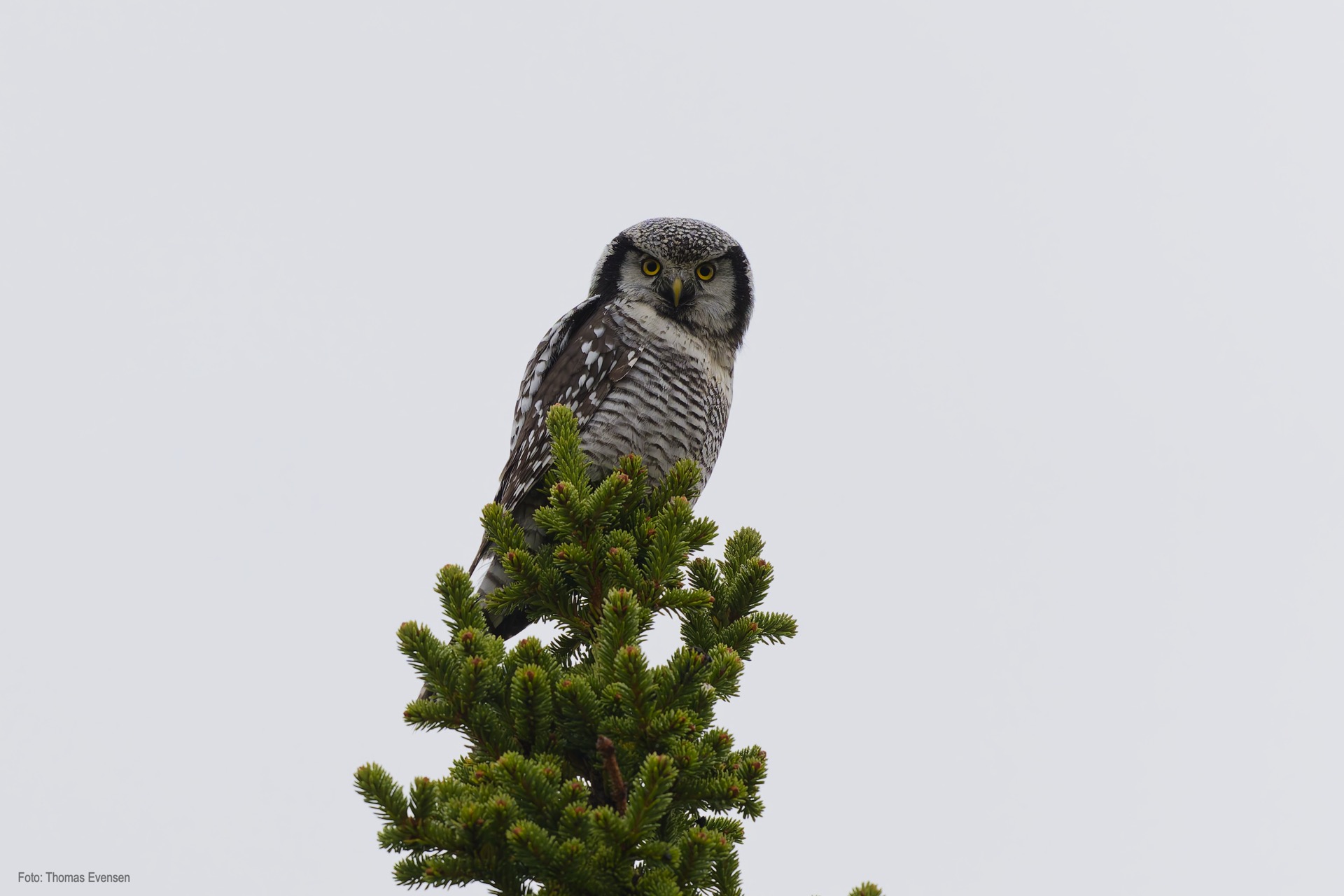
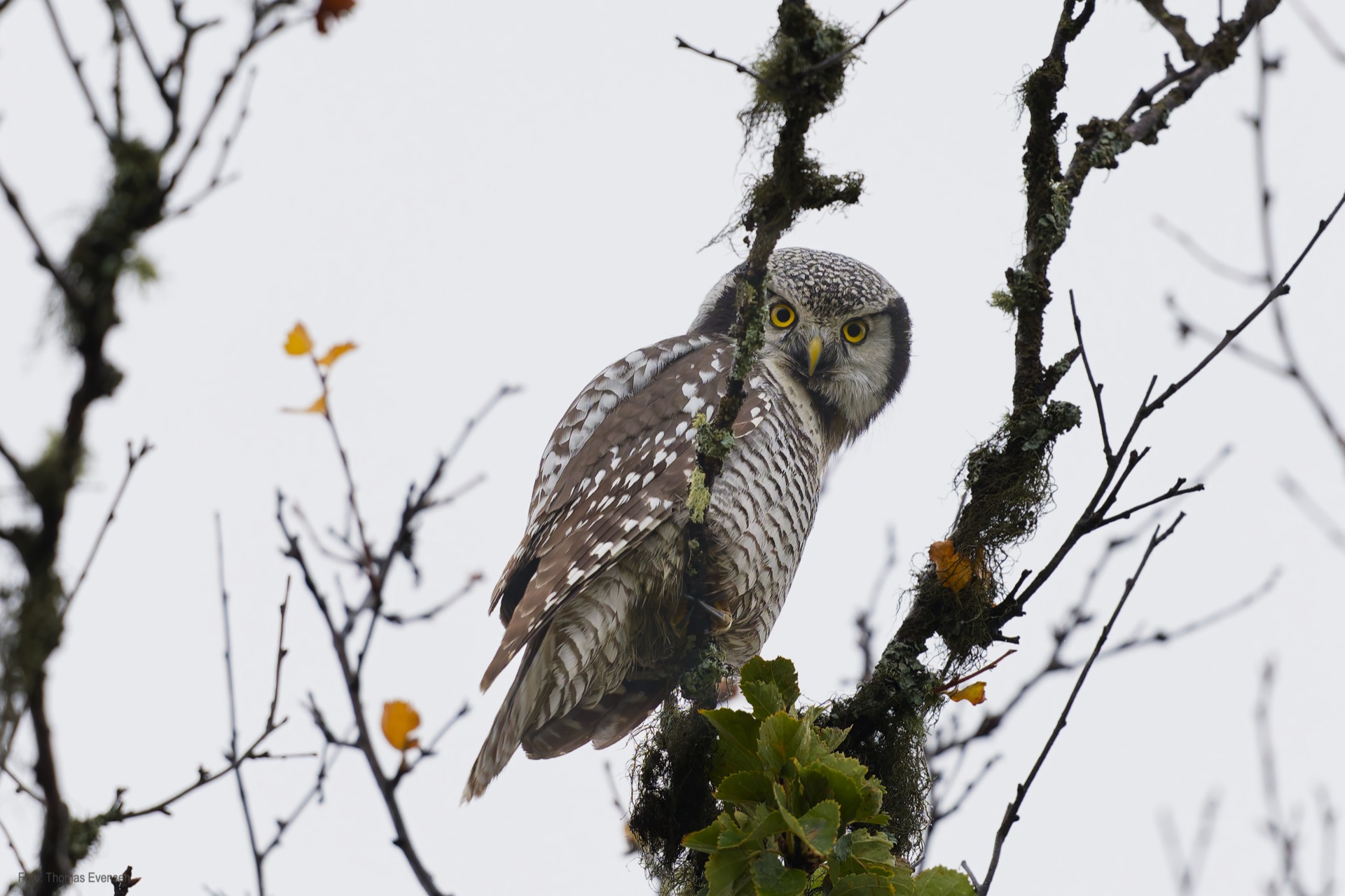
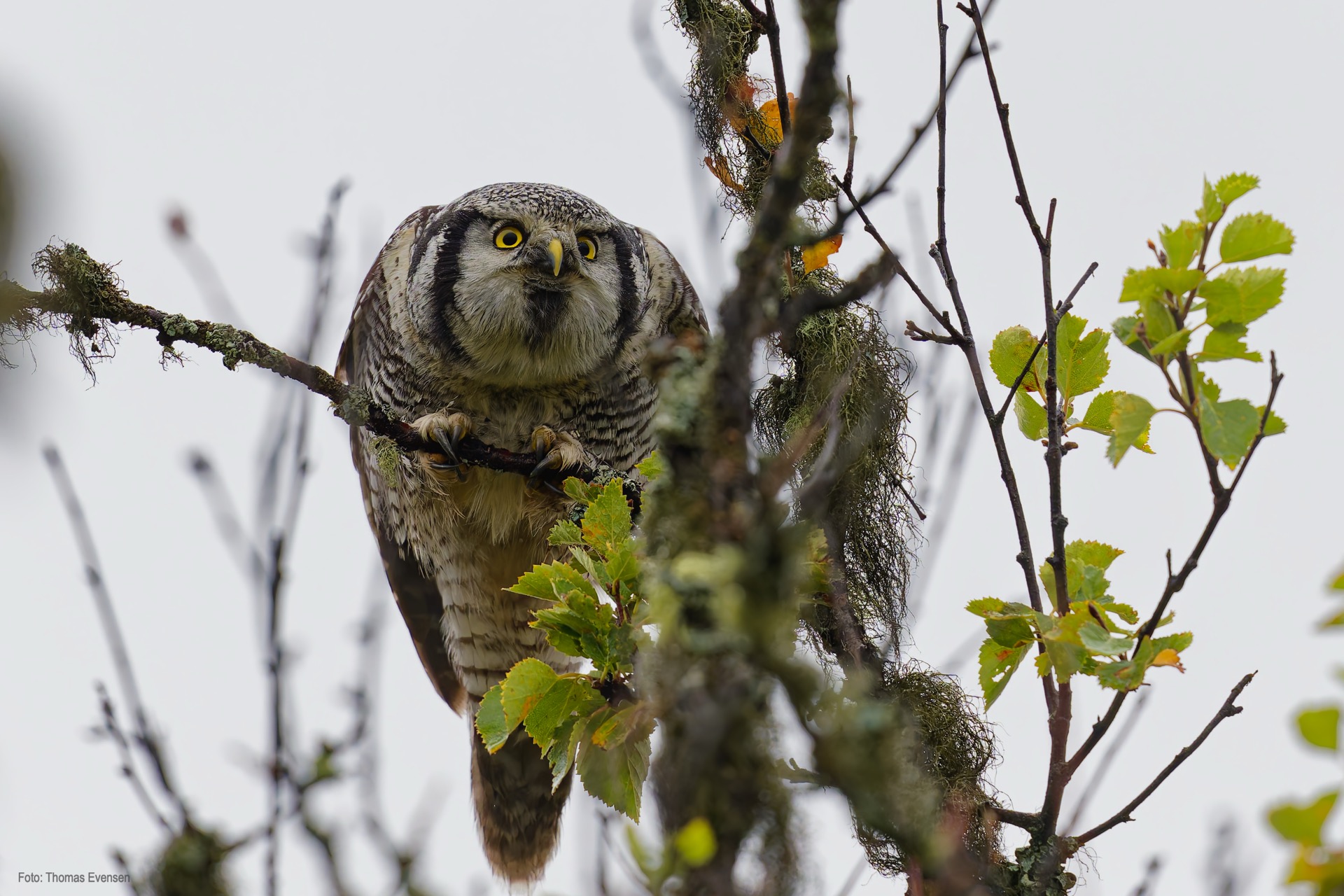
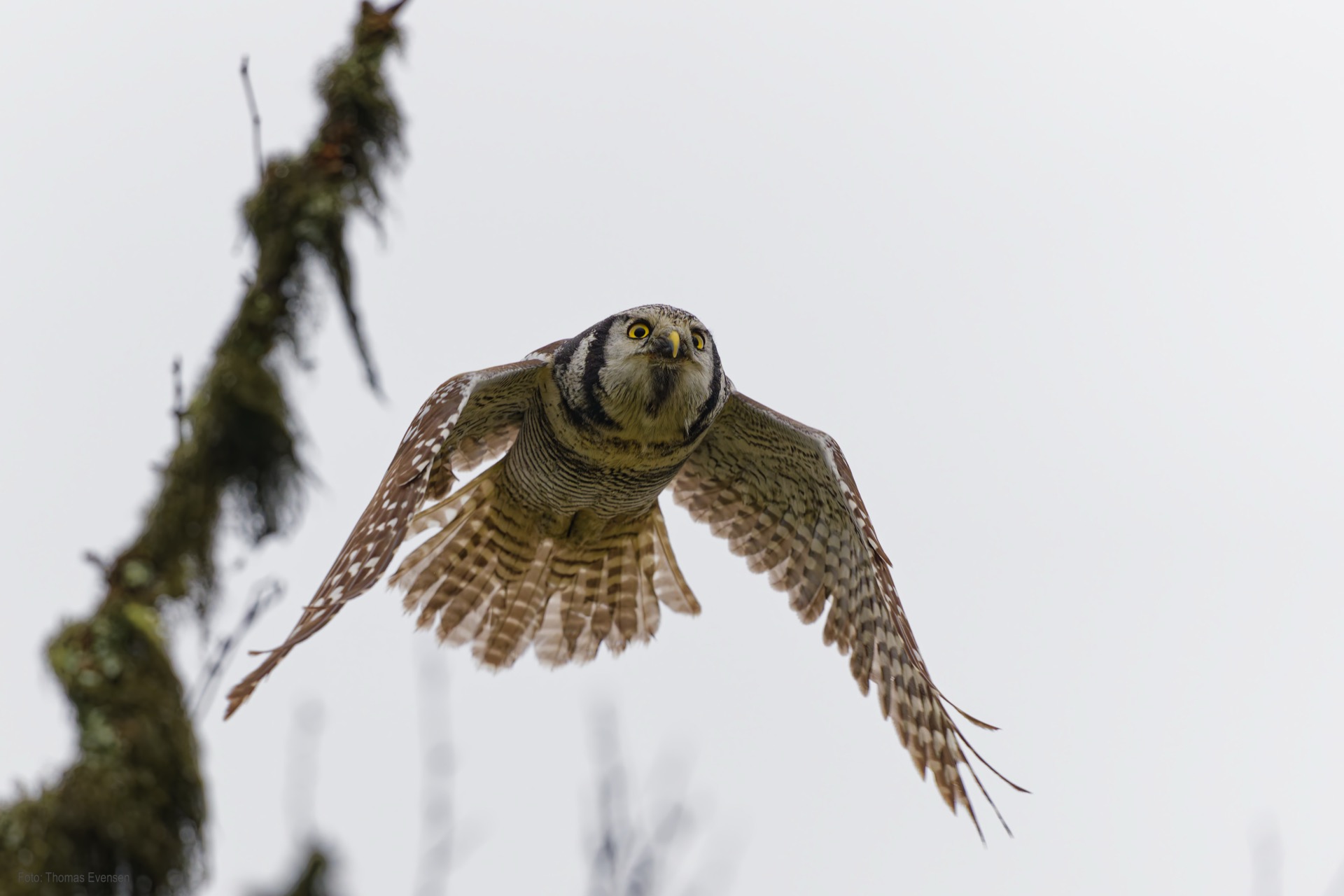
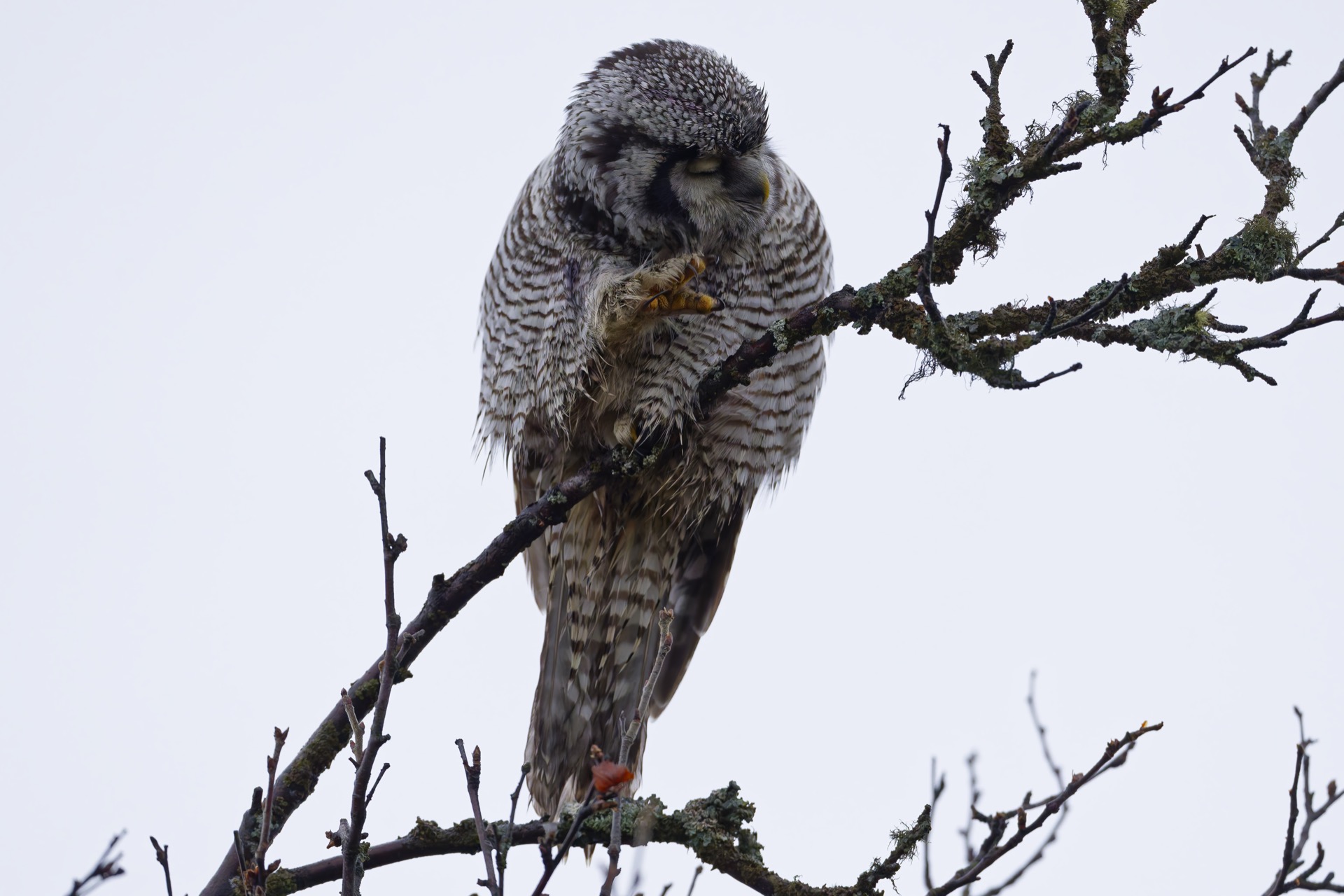
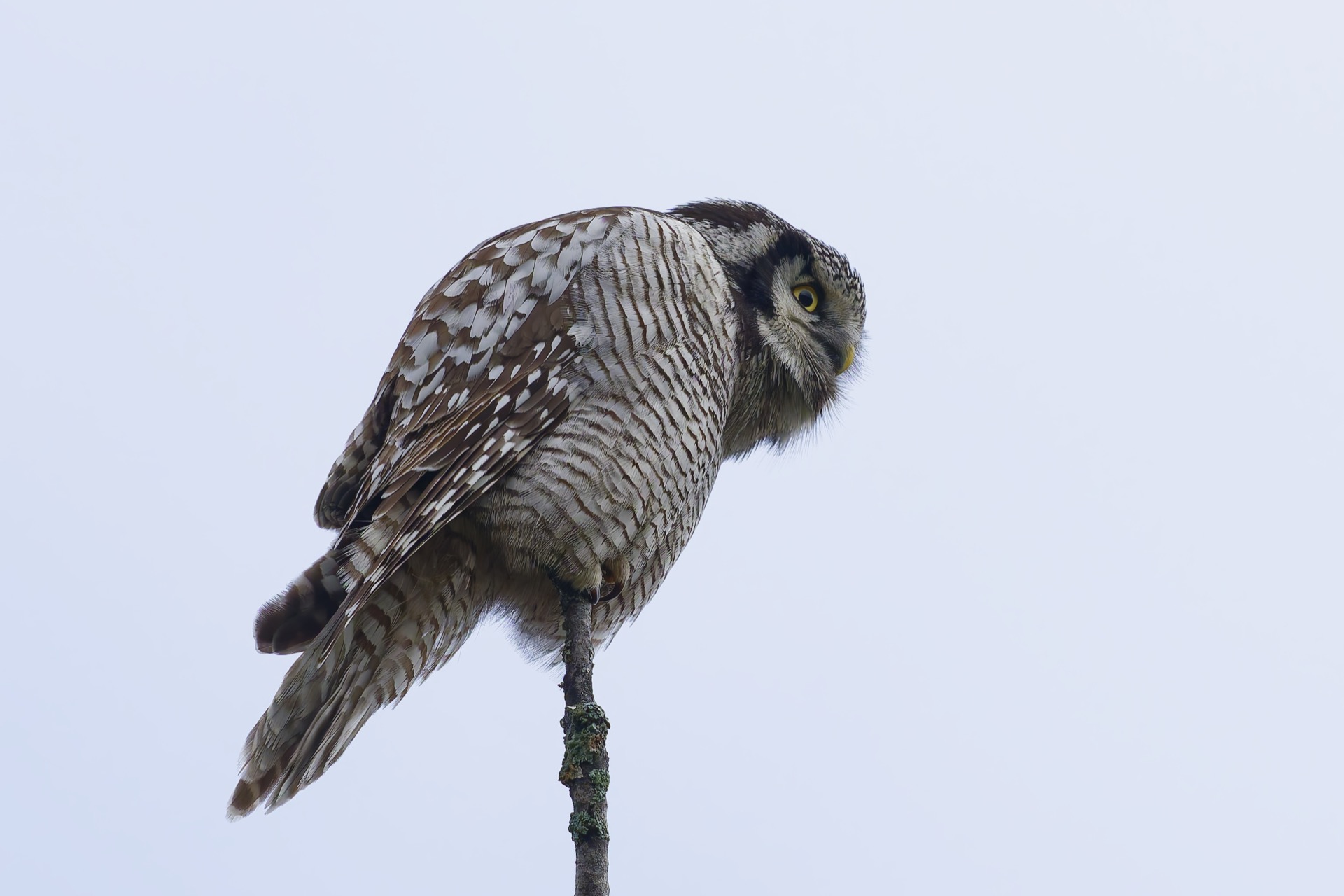
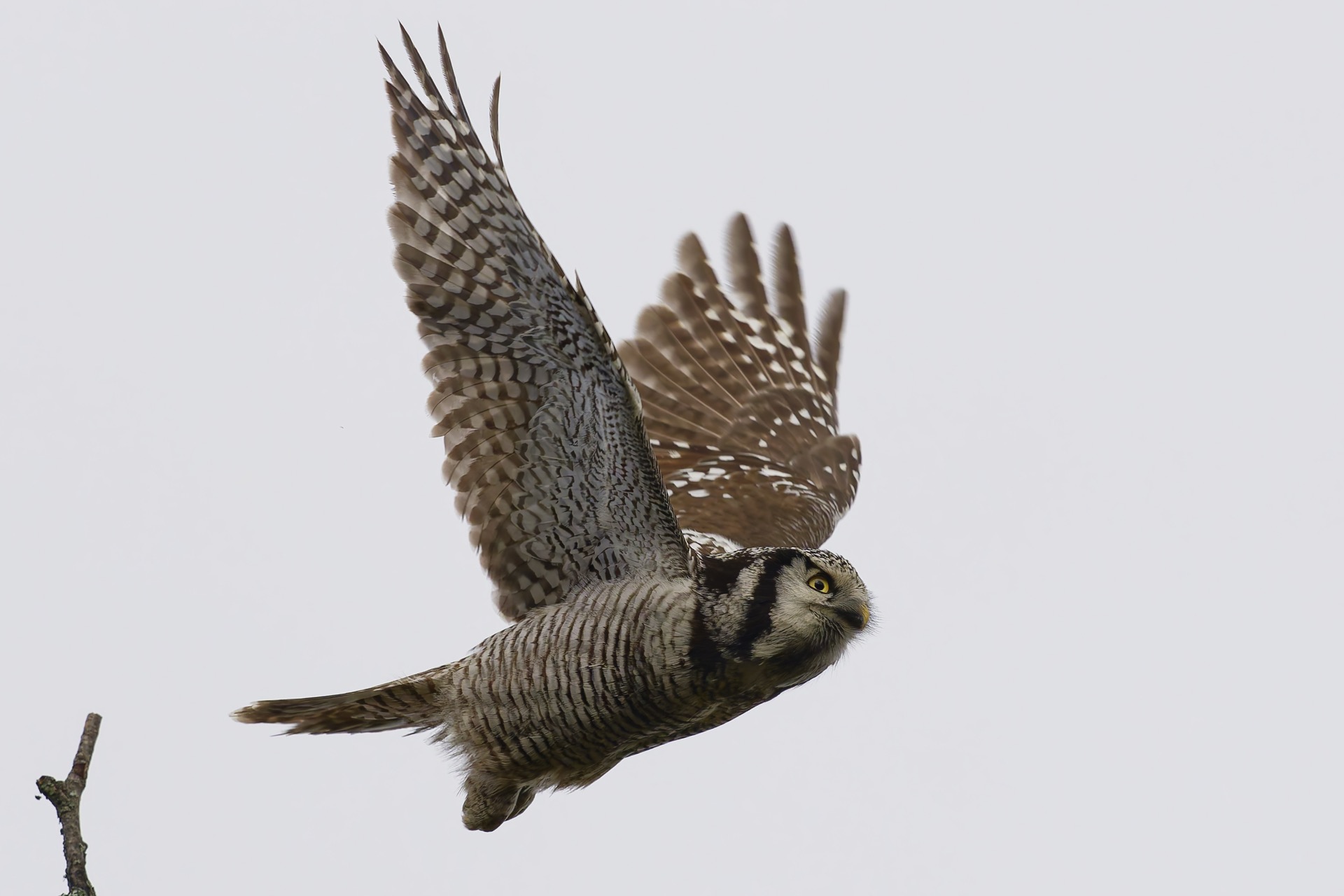
The Northern Hawk-owl is a resident bird that I have only observed in proximity to my cabin in the mountains.
Related albums
Long-eared owl
4 photos
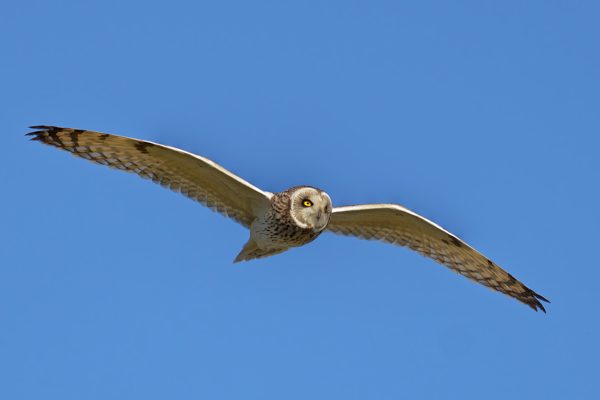
Short-eared owl
4 photos
The Northern Hawk-owl is a resident bird that I have only observed in proximity to my cabin in the mountains.
All three owl species discussed on these pages are widespread and common. However, despite their ubiquity, they can be challenging to observe. While all three species engage in diurnal hunting, the Short-eared owl and Long-eared owl are most active during sunrise and sunset. The Northern Hawk-owl and Short-eared owl have yellow eyes, whereas the Long-eared owl has orange eyes.
| Latin | UK | Norwegian |
|---|---|---|
| Surnia ulula | Northern Hawk-owl | Haukugle |
2024 - March 2025
Between mid-October 2024 and mid-March 2025, I observed three distinct Northern Hawk-owls in proximity to my mountain cabin. I am uncertain whether this phenomenon is common or exceptionally rare in this region. Notably, the behavior of these owls appears to be somewhat atypical. At one particular location, the owl permitted me to approach within close proximity, approximately 4-5 meters. Conversely, at other encounters, the owl responded by swiftly flying away when I approached too closely.
2025 - from September
My initial observation of the Northern Hawk-owl occurred in the early part of September 2025, following the summer of 2025. In contrast, my first observation of the hawk-owl was made in mid-October of the previous year.
Observing the Hawk-owl
The Northern Hawk-owl is relatively easy to spot. If Northern Hawk-owls are present in the vicinity, observe the tree tops. Typically, they perch at the summit of tall trees, strategically positioned to observe their surroundings and locate potential prey.
The video shows the owl observing for prey.
Feeding
All three owl species primarily hunt small mammals. The number of breeding pairs in any given area is dependent on the availability of small mammals as prey.